Application
Access that can move with the work
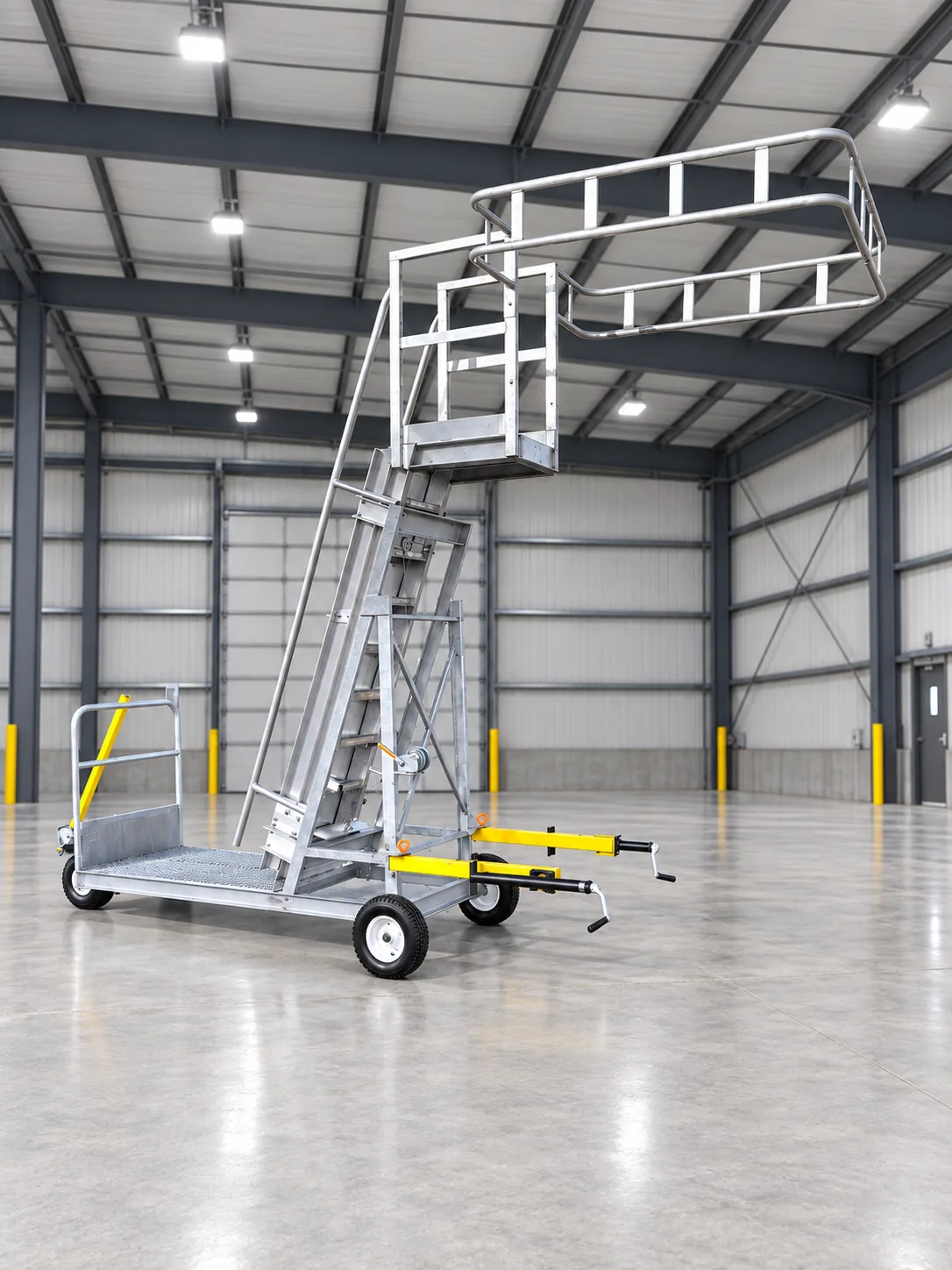
A portable loading rack may be appropriate when access must be repositioned between loading points or stored away from the work area. The right configuration depends on the vehicle or railcar interface, the task, and the way the unit will be moved and secured at the site.
Dimensions, capacities, compliance requirements, lead times, and pricing are confirmed for the current project configuration; they are not assumed from representative imagery.
Configuration variables
What shapes the quote
Unknown dimensions are not guessed. They become questions for the RackTek team during qualification.
Application
Truck, railcar, transloader, inspection, sampling, maintenance, or another task.
Working position
Known height, reach, loading positions, and the point people must access.
Movement
How the platform must move, be positioned, and be stored at the facility.
Site conditions
Approach area, surrounding equipment, surface, constraints, and timeline.
Find your portable rack
Four ways to bring access to the work
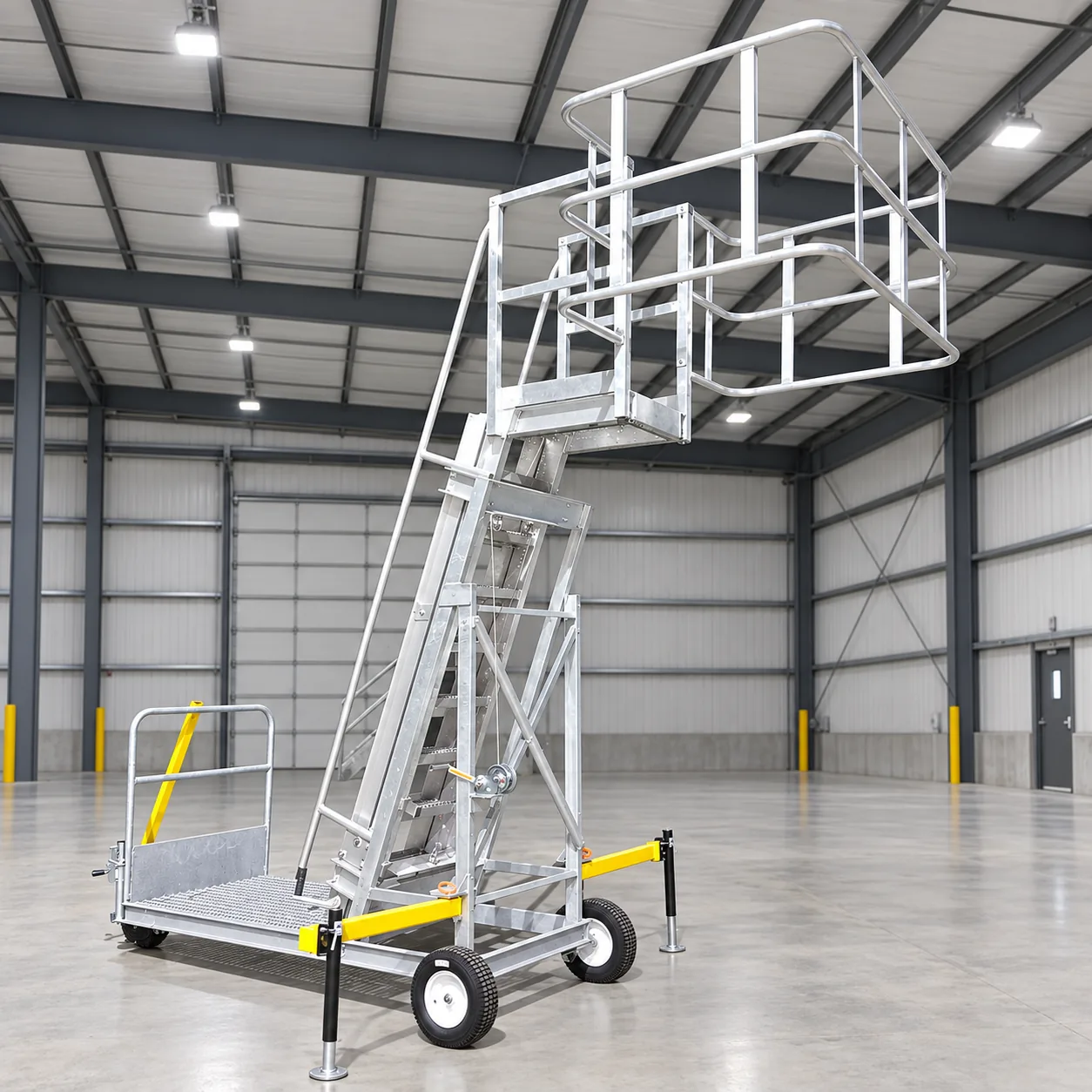
Hopper-car side loader
Extended guarded access for hopper-car applications.
Request this configuration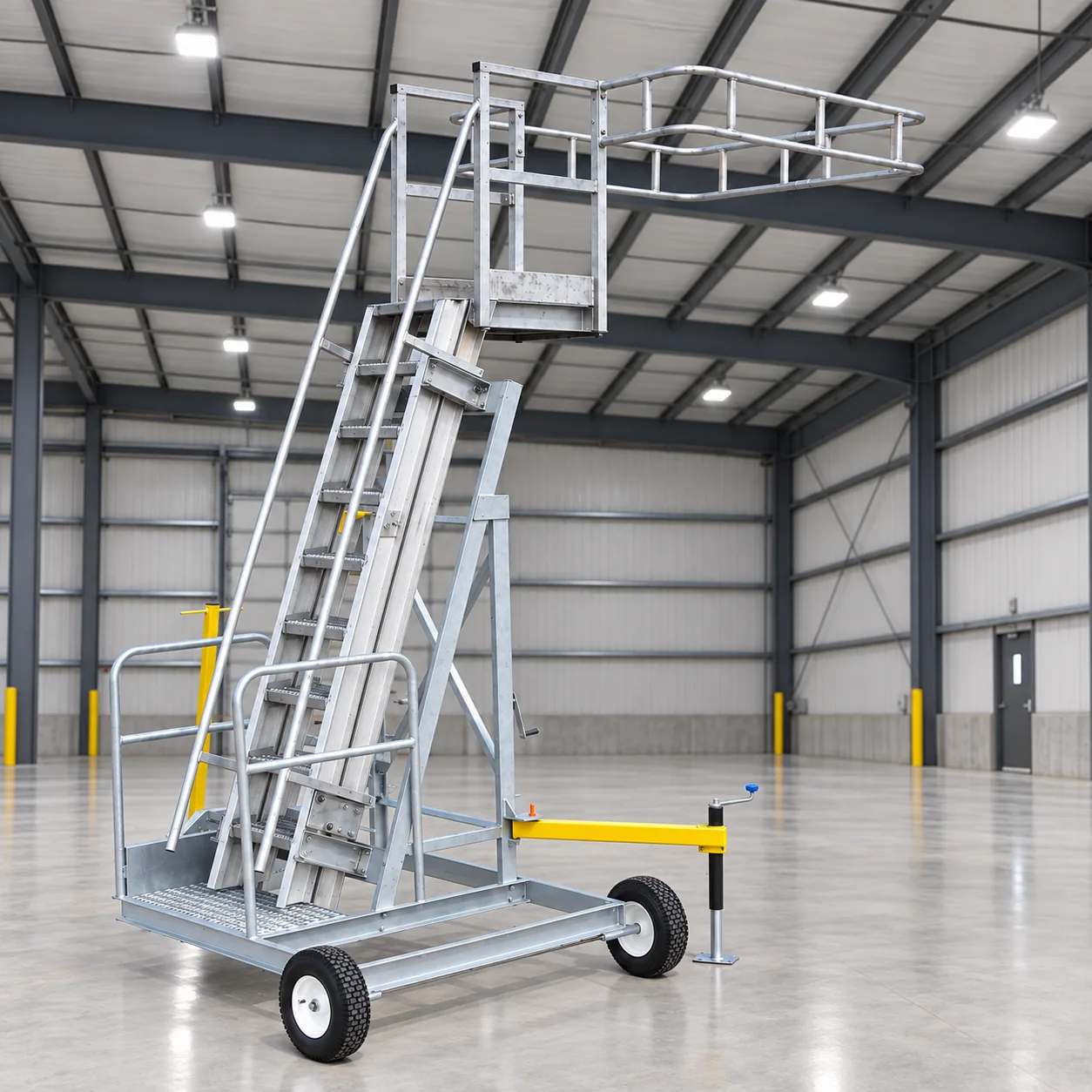
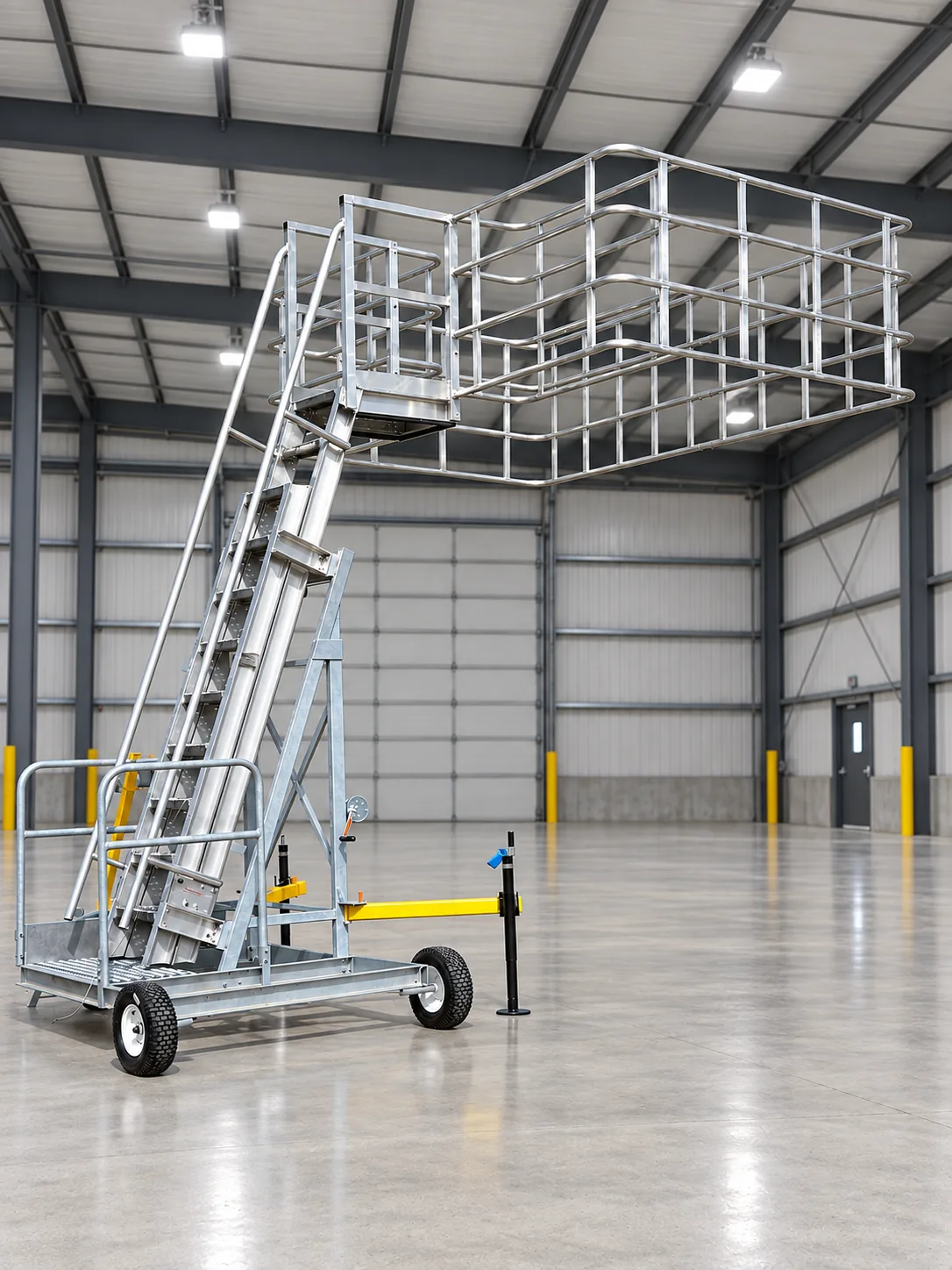
Tank rail-car side loader
Side access configured around rail tank-car work.
Request this configurationWorking height, reach, movement, and vehicle clearances are reviewed for your application.
Available drawings
Ask the team which current drawings can be supplied for the selected configuration. No download is presented until a file is approved for the project.
Information needed to quote
Start with what is known
- Contact and company information
- Facility location and timeline, if known
- Truck, railcar, or transloader application
- Working height, reach, and number of positions, if known
- A short project summary
- Drawings or photos can be discussed during follow-up
New requests receive human qualification before estimates or supplier commitments.